 Trusted industrial bearing supplier delivering durable and high-performance solutions across
industries.
Trusted industrial bearing supplier delivering durable and high-performance solutions across
industries.


Signs of Bearing Overheating and How to Address Them
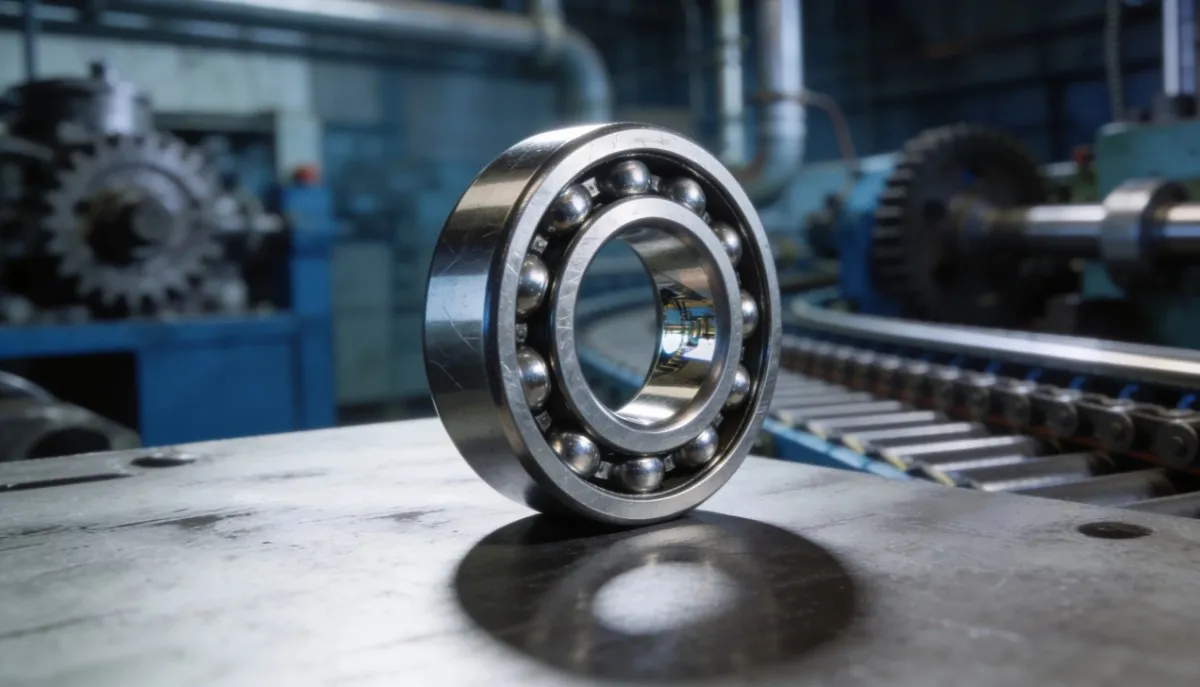
Spot the warning signs early and keep your machines running without costly downtime
A bearing is one of those parts nobody thinks about until it stops working. It quietly carries the load, cuts down friction, and lets a shaft turn without grinding itself apart. So when it starts running hot, that's not just bad luck. Bearing Overheating almost always points to something else going wrong underneath - lubrication, alignment, load, take your pick. Leave it alone long enough and you're looking at a full breakdown, a stalled production line, and a repair bill nobody budgeted for.
This piece walks through why bearings heat up, how plants used to catch the problem versus how they catch it now, and what to actually do once you spot the signs. We'll touch on ball bearings and wheel bearings too, plus a few pointers for anyone typing “bearing supplier near me” into a search bar at 11pm because a machine just went down.
Old Habits vs What Plants Do Now
For years, the go-to method was simple: walk over, touch the housing, see if it felt hotter than it should. Maintenance staff judged everything by feel and experience. It worked, sort of, but only after the damage had already started showing.
These days the better-run facilities lean on sensors. Infrared readings, vibration checks, scheduled lubrication audits - the kind of monitoring that flags a problem while it's still small. Here's a rough comparison.
- Old way - manual touch checks, inspections whenever someone remembered
- Old way - fix it after it breaks, not before
- New way - temperature and vibration tracked continuously
- New way - grease changed on a schedule tied to actual run hours
- New way - problems caught before they spread to the shaft or housing
What Actually Causes the Heat
A few culprits show up again and again. Once you know them, spotting the pattern gets easier.
- Too little or too much grease - starve it and metal grinds on metal, overdo it and you get drag from churning
- Dirt and moisture getting past the seal
- A shaft that isn't properly aligned, putting stress where it shouldn't be
- Pushing the equipment past what it's rated for, which beats up the internal steel balls and races
- A bad fit during installation - too tight, too loose, doesn't matter, both cause friction
- Seals that have worn out and stopped doing their job
Did You Know? A bearing with proper lubrication can keep running for thousands of hours. Let contamination in, though, and that number drops fast.
Catching the Warning Signs
Most failures give some kind of heads-up first. The trick is noticing it before it gets worse.
- The housing feels noticeably warmer than everything around it
- A faint burning smell near the moving parts
- Grease that's gone dark or gritty
- Grinding, squealing, or a rattle that wasn't there last week
- Vibration you can actually feel through the frame
- The shaft turning slower or unevenly
Bearing Type Comparison
Nothing here is tied to a particular size or price - just a general sense of what each type tends to handle well.
| Bearing Type | Typical Load Handling | Common Usage Environment |
|---|---|---|
| Ball Bearings | Light to moderate radial loads | Motors, pumps, general machinery |
| Roller Bearings | Heavy radial loads | Heavy engineering, construction equipment |
| Tapered Bearings | Combined radial and axial loads | Automotive wheel assemblies, gearboxes |
| Thrust Bearings | Primarily axial loads | Vertical shafts, machine tool spindles |
| Spherical Bearings | Misalignment-tolerant heavy loads | Mining, paper, and sugar processing |
Trivia: People were using rolling elements to cut friction long before anyone called it engineering - early builders figured out the basic idea well before precision bearings existed.
What To Do Once You Spot a Problem
Don't wait around once something feels off. A bit of structure here saves a lot of grief later.
- Shut the machine down properly before you start poking around
- Pull the old grease and look at it - if it's dark or dry, that's your answer
- Check the seals and the area around them for grit or moisture
- Get a proper alignment reading, don't eyeball it
- Make sure nobody's been running the equipment past its rated load
- Swap out any seal that looks worn, even if it's “probably fine”
- If the noise or shake doesn't go away after that, bring in someone for a closer look
Wheel Bearings deserve a separate mention here. They're under constant load from the road, so a routine check during regular servicing catches wear before it turns into a handling problem - or worse.
Fact: Friction isn't free. A bearing running smoothly takes less energy to turn, which means the motor driving it works a little less to get the same output.
Why the Source Matters as Much as the Maintenance
You can do everything right on the maintenance side and still get burned by a bad part. That's why going through established bearing Suppliers in India actually matters - it's not just about having stock, it's about the part meeting consistent material and dimensional standards in the first place. Parts sourced through recognised bearing Authorised Distributors in India tend to hold up better under real industrial conditions, not just on paper.
People also get fixated on Bearing Price and forget to ask about anything else. Material quality, how reliably the supplier can deliver, whether there's actual technical support when you need it - all of that matters more than shaving a bit off the upfront cost, especially once you factor in what a premature failure costs in downtime.
- Stick to recognised distribution channels you can actually verify
- Ask for technical input before swapping in a replacement
- Keep common bearings in stock so a failure doesn't stall the whole line
- Favour suppliers who can move fast when something's urgent
Where This Actually Shows Up
Bearings turn up everywhere - automotive, agriculture, manufacturing, construction, heavy engineering, you name it. Pump and motor builders depend on Ball Bearing assemblies that don't wobble under continuous use, while sugar mills and paper plants need something tough enough to run nonstop without complaint. Even appliance makers think about heat resistance at the component level, since a small bit of wear early on shortens the life of the whole product down the line. Different industries, same basic expectation: a part that doesn't overheat is a part that doesn't cause problems.
IBH
IBH, your reliable Nachi Bearing Distributor, Dealer & Supplier in India. IBH is associated with Nachi, a renowned Japanese brand, established its presence in the country almost 8 decades before. IBH established in 1973 the company has more than 80 years experience to ease the sourcing and bearing needs. With the availability of Nachi Technology India Pvt. Ltd. (NTID), who manufactures bearing solutions from their technologically sound plant in Neemrana, Rajasthan IBH is a dependable solution provider that deals with all Nachi pillow blocks, thrust ball bearings, cylindrical roller bearings, etc., equipped with a complete catalogue and all the technical backup available in the industry.
FAQs
1. How do I know if my bearing is actually overheating, not just warm from normal operation?
Ans: Normal warmth stays steady. Overheating climbs noticeably higher than nearby parts, often comes with a burning smell or odd noise, and keeps getting worse instead of levelling off after startup.
2. Can a bearing recover once it's overheated, or does it need replacing right away?
Ans: Depends how far it's gone. Mild heating with no damage can sometimes be fixed by addressing lubrication or alignment. Once grease has burned or races show damage, replacement is really the only safe option.
3. How often should lubrication be checked to avoid overheating issues?
Ans: There's no single answer - it depends on load, speed, and environment. Most plants set a schedule based on actual run hours rather than calendar dates, then adjust if temperatures start creeping up.
4. Does overheating always mean a bearing was installed incorrectly?
Ans: Not always. Bad installation is one cause, but contamination, misalignment, overloading, and worn seals cause it just as often. Installation issues usually show up early, while the others develop gradually over time.
5. Are wheel bearings more prone to overheating than industrial bearings?
Ans: Not inherently - they just face different stress. Constant road vibration and load shifts wear them differently than stationary machinery. Either type overheats if lubrication, alignment, or load conditions go unchecked for long.
6. Is it worth paying more for a higher-quality bearing to avoid overheating problems?
Ans: Usually, yes. Cheaper components often fail sooner under heat and load, costing more in downtime. Suppliers like IBH focus on quality-tested parts that hold up better under real industrial conditions long-term.
Wrapping Up
Overheating doesn't usually come out of nowhere. Heat, noise, dark grease, vibration - they're all telling you something before the actual breakdown hits. Stay on top of maintenance, swap in tested components when needed, and most of this becomes a non-issue. And if you're already mid-search for a bearing supplier near me because something just failed, prioritise authenticity and real support over whatever looks cheapest at first glance - it tends to pay off later.
| Dealing with repeated overheating or just need help picking the right bearing? Reach out to our technical team of IBH for advanced assistance. |